The remodeling industry continues to evolve rapidly as homeowners seek to enhance comfort, functionality, and aesthetics while increasing property value. In 2025, several remodeling trends are taking center stage, driven by changing lifestyles, environmental concerns, and technological advancements. From smart homes to sustainable materials, the year is shaping up to be an exciting time for homeowners and contractors alike.
Open-concept layouts are still in demand, but with a twist. Homeowners are seeking more flexible, multi-functional spaces rather than entirely open floor plans. The pandemic-era shift to remote work and learning has created a desire for areas that can transform from a dining room into a home office or from a living space into a workout area. Sliding doors, movable partitions, and built-in furniture allow rooms to adapt as needed while preserving a sense of openness.
Sustainability is no longer a niche request—it’s a standard expectation. Homeowners are looking for eco-friendly remodeling options that reduce their carbon footprint and lower utility bills. Energy-efficient appliances, solar panel installations, recycled or reclaimed materials, and proper insulation upgrades are now commonly requested. Low-VOC paints, sustainable hardwoods, and bamboo flooring are also seeing a rise in popularity.
Smart home integration is another key trend driving remodeling projects in 2025. From thermostats and lighting to security systems and kitchen appliances, smart technology is being woven into the very framework of homes. Homeowners are opting for centralized control hubs that allow seamless operation of their devices through smartphones or voice assistants. The focus is on creating intuitive, automated homes that offer convenience, safety, and energy efficiency.
Bathrooms are being transformed into personal retreats. Spa-like features such as rain showers, freestanding tubs, heated flooring, and ambient lighting are in high demand. Natural materials like stone, wood, and ceramic help evoke a sense of calm and relaxation. In smaller bathrooms, homeowners are investing in high-quality finishes and clever storage solutions to maximize both style and functionality.
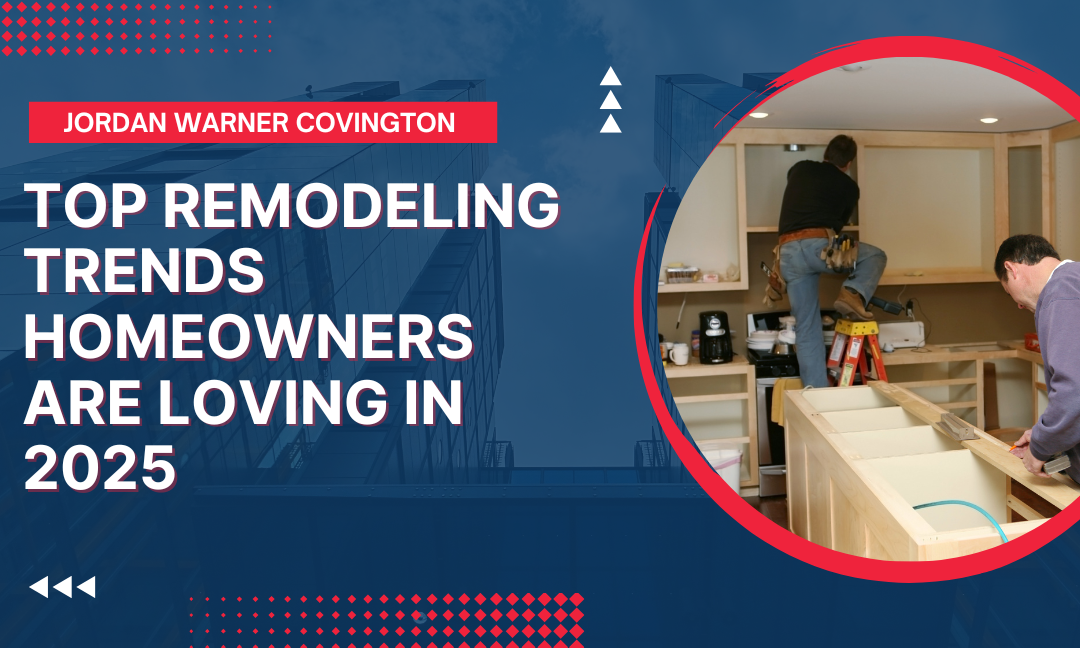
Kitchens remain the heart of the home, and 2025’s remodeling projects reflect an emphasis on minimalism, durability, and technology. Matte finishes, integrated appliances, and hidden storage solutions are popular design choices. Large islands with waterfall countertops are being used for both food prep and social gatherings. Induction cooktops, smart ovens, and touchless faucets are no longer luxury upgrades—they’re becoming the new standard.
Outdoor living spaces are receiving as much attention as indoor areas. Homeowners are extending their livable space by investing in patios, decks, and outdoor kitchens. Covered seating areas with fire pits or heating elements allow for year-round use. The trend leans toward creating cozy, functional, and aesthetically pleasing spaces that serve as an extension of the home.
Color palettes are shifting toward earth tones and natural hues. Shades of olive green, terracotta, warm beige, and soft gray are replacing the stark whites and cool tones of previous years. These colors create a welcoming, grounded atmosphere and work well with organic materials and textures.
Another noticeable trend is the rise of aging-in-place design. As more homeowners plan to stay in their homes longer, remodeling projects are being tailored to increase accessibility and safety. This includes wider doorways, no-step entries, grab bars in bathrooms, lever-style handles, and non-slip flooring. These features are being incorporated in a subtle and stylish way to appeal to all age groups.
Functionality is taking priority across all rooms. Whether it’s mudrooms with ample storage, laundry rooms that double as pet-washing stations, or built-in charging hubs, homeowners are looking to make every square foot count. The goal is to blend form and function seamlessly, creating spaces that are beautiful yet practical.
In 2025, remodeling is not just about upgrading a home’s appearance—it’s about enhancing the way people live. Homeowners are investing in thoughtful, forward-thinking improvements that support their daily routines, environmental values, and long-term plans. As these trends continue to shape the market, contractors and remodelers who stay ahead of the curve will find themselves well-positioned for success.